CES 2026 Mobility Highlights
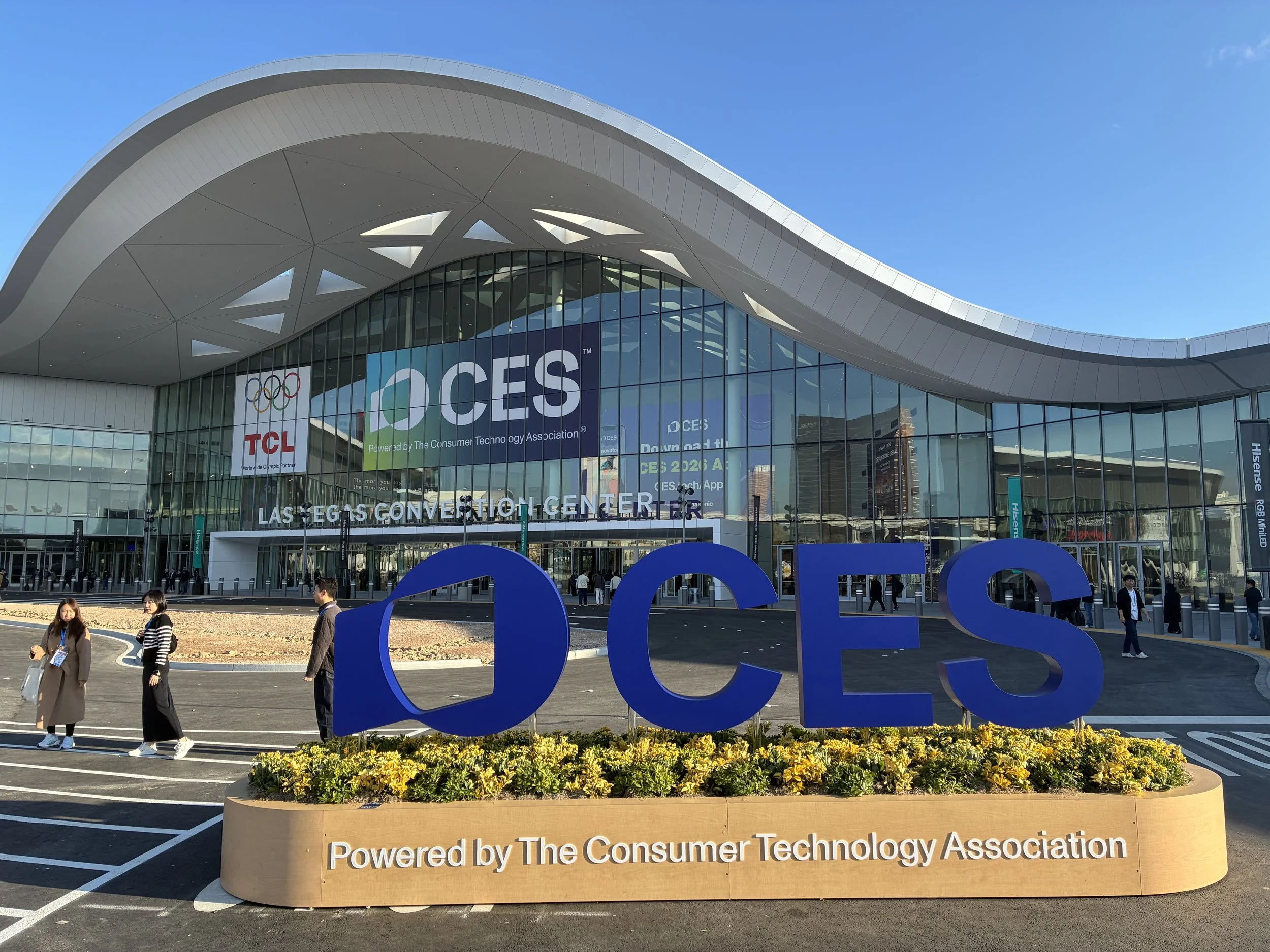
The 2026 Consumer Electronics Show (CES) in Las Vegas showcased a significant shift in the mobility sector, with artificial intelligence (AI) at the core of nearly every major innovation. The lines between technology and automotive companies continue to blur, with a clear focus on creating a safer, more connected, and personalized driving experience.
NVIDIA Alpamayo: Powering the AI-First Mobility Shift at CES 2026
At CES 2026, one trend dominates the show floor in Las Vegas: mobility is becoming AI‑first. While new EVs still appear on stage, the spotlight has clearly shifted to autonomous driving, high-performance AI chips and software-defined vehicle architectures. In this context, NVIDIA’s new Alpamayo family of open AI models, tools and datasets is a showcase example of how “physical AI” will shape the next decade of transportation.
From EVs to Software-Defined, Autonomous Mobility
Automakers and tech companies are using CES 2026 to highlight vehicles that are defined more by their software than by their hardware. Centralized compute platforms, over‑the‑air updates and AI‑powered driver assistance are now the key differentiators. Autonomous driving and robotaxis, along with advanced air mobility concepts like eVTOLs, underline a broader shift: mobility is becoming a connected, intelligent ecosystem on roads and in the air.
What Alpamayo Brings to Autonomous Driving
Against this backdrop, NVIDIA introduced Alpamayo, an open ecosystem designed to accelerate safe, reasoning-based autonomous vehicle (AV) development. The centerpiece is Alpamayo 1, a 10‑billion‑parameter vision language action (VLA) “teacher” model that uses chain-of-thought reasoning. It ingests video, predicts trajectories and exposes the reasoning behind each driving decision, helping AV stacks tackle rare, complex “long‑tail” scenarios that traditional perception‑and‑planning pipelines struggle with.
Rather than running directly in vehicles, Alpamayo 1 is intended as a large teacher model that developers can fine‑tune, distill into smaller runtime models and repurpose for tools such as reasoning-based evaluators and auto-labeling systems.
Open Simulation and Data for Real-World Edge Cases
Two additional pillars round out the Alpamayo ecosystem:
AlpaSim, a fully open‑source, end‑to‑end simulation framework that offers realistic sensors, configurable traffic dynamics and scalable closed‑loop testing environments.
Physical AI Open Datasets, more than 1,700 hours of diverse driving data from different geographies, conditions and rare real-world edge cases.
Together, they create a feedback loop where teams can train, test and refine reasoning-based AV stacks before deploying them on public roads.
Interest from mobility leaders like Lucid, JLR and Uber, as well as research groups such as Berkeley DeepDrive, shows how closely Alpamayo aligns with the CES 2026 mobility agenda: open, explainable AI; scalable Level 4 autonomy; and software-defined vehicles powered by high-performance compute. As the industry moves beyond EV hype toward truly intelligent, updatable fleets, platforms like Alpamayo are poised to become a key foundation for safe, scalable autonomy.
Intellias and Zeekr: AI-Powered Visual Testing Redefines Infotainment Quality for Next-Gen EVs
Intellias and Zeekr Technology Europe are showcasing a breakthrough AI-powered solution for automated visual testing of next-generation in-vehicle infotainment systems at CES 2026 in Las Vegas. By combining vision-language models and computer vision, the platform automatically derives and executes end-to-end UI test cases directly from functional requirements and UX guidelines, validating complete user flows, layouts, and performance in real time without manual scripting. The result is up to four times faster test cycles, over 95% accuracy across thousands of tests, and highly flexible coverage of complex scenarios such as dynamic navigation routes and connectivity features.
TomTom Accelerates the Future of Driving with New ADAS SDK and Groundbreaking Lane-Level Maps
TomTom has unveiled two groundbreaking innovations set to revolutionize the future of driving: the ADAS SDK and Orbis Lane Model Maps. These advancements aim to accelerate the development and scalability of advanced driving automation, making it more efficient and cost-effective for automakers globally.
The ADAS SDK is a modular, lightweight toolkit designed for software-defined vehicles. It provides high-quality ADAS map data directly to predictive driver assistance systems, significantly reducing development time and integration costs. This "Compliance-in-a-Box" solution helps automakers meet regulatory requirements and achieve better safety ratings faster. Key features include predictive routing, adaptive lighting, hazard warnings, and optimized energy consumption for electric vehicles.
TomTom's Orbis Lane Model Maps offer unprecedented precision at scale, providing detailed lane-level information for entire countries, including urban areas. Using AI-powered technology, these maps are cost-effective, scalable, and continuously updated, enabling safer and more confident automated driving decisions.
Together, the ADAS SDK and Orbis Lane Model Maps represent a significant leap forward in autonomous driving technology, empowering automakers to bring advanced, life-saving features to the mass market more quickly and affordably.
Self-Driving Cars Hit the Streets of Las Vegas: Zoox Leads the Way
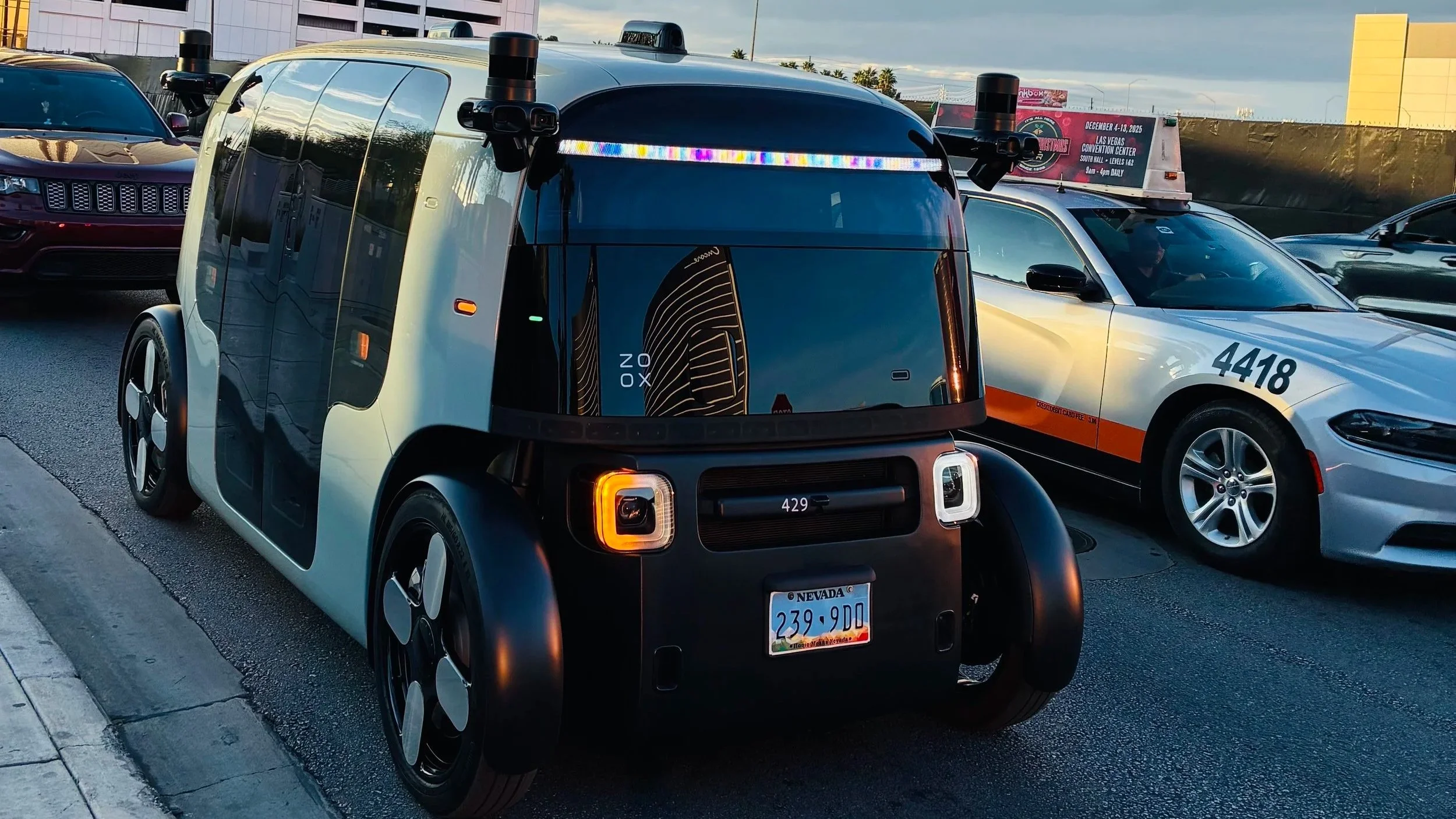
The future of transportation is unfolding on the streets of Las Vegas, where Amazon's subsidiary Zoox has launched a groundbreaking ride-hailing service using fully autonomous vehicles. These futuristic pods, devoid of traditional driving controls like steering wheels and pedals, are now available to the public, marking a significant milestone in the evolution of self-driving technology.
Zoox's autonomous vehicles are not your typical cars. Designed from the ground up as robotaxis, they feature a unique bi-directional design, meaning there is no conventional front or back. This innovative approach allows for more flexible maneuvering and efficient use of space. Inside, passengers are greeted with a spacious, comfortable interior that prioritizes their experience over traditional driving controls.